Water and fire damageBy Pro Elite Builders, PA HIC #PA215210Checked 3 min read
The short answer
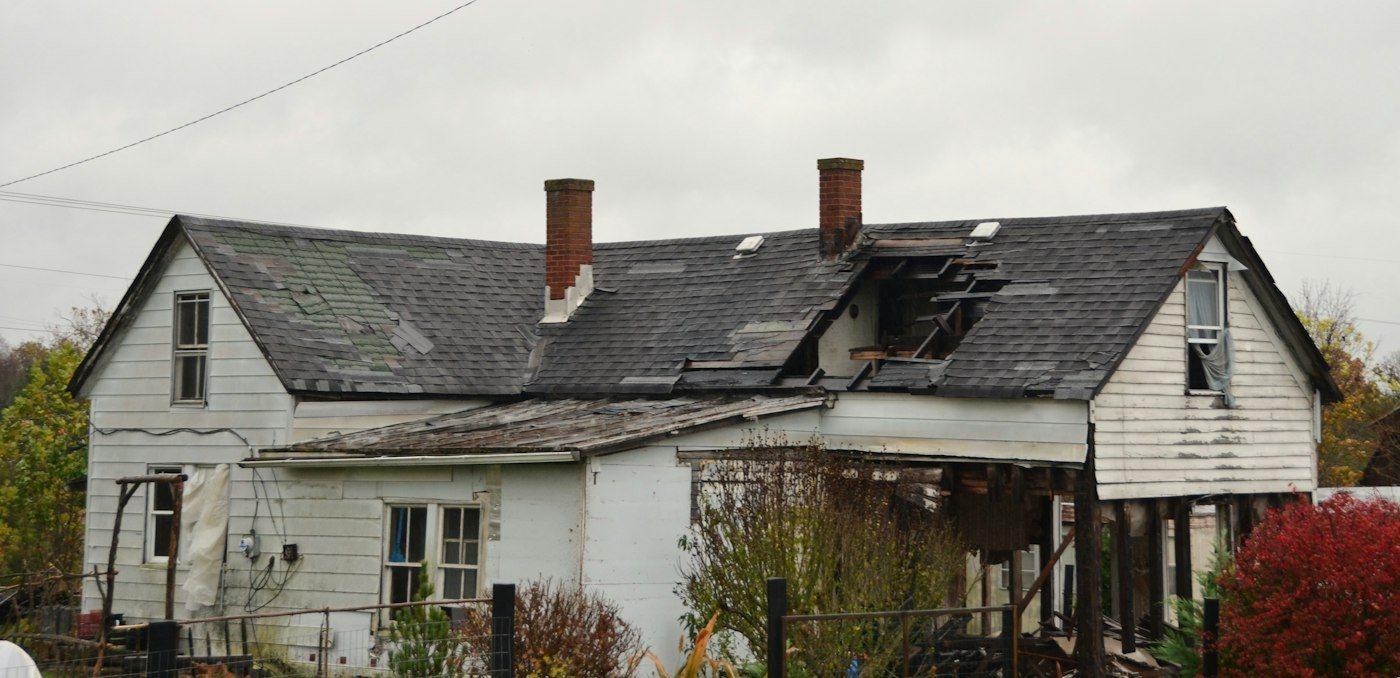
Do not go back in until the fire department says it is safe. Then call your insurer, have the building secured against weather and entry, and document the damage before anything is thrown away.
The rebuilding follows in a fixed order: cleaning and drying, an assessment of the structure, permits, then repair from the framing outward.
The first week
- Wait for clearance. Floors and roofs can be weakened, and the air holds soot and gases. The fire department decides when you may enter.
- Call your insurer. Get a claim number and the adjuster's name. Ask whether your policy pays for temporary housing.
- Secure the house. Openings are boarded and holes in the roof are tarped. Insurers expect the owner to prevent further damage.
- Leave the utilities off. Gas, power and water stay off until each has been checked.
- Get the fire report. Ask the fire department how to obtain a copy. The insurer will want it.
- Document. Photograph every room. List damaged belongings. Do not discard anything until the adjuster has seen it or agreed.
- Recover essentials when allowed. Identification, medication, insurance papers, keys.
- Deal with the water. A house that was hosed down is soaked. Drying has to start quickly, for the reasons in our guide to the first 24 hours after a leak.
Who does what
| Party | Their part |
|---|---|
| Insurance adjuster | Decides what the policy covers and writes the scope of loss |
| Cleaning and mitigation company | Board-up, water extraction, drying, soot and smoke cleaning, contents |
| Structural engineer | Says which framing can stay, where the structure burned |
| General contractor | Removes what cannot be saved and rebuilds the house |
| Municipality | Issues the permits and inspects the repairs |
Pro Elite Builders does the rebuilding: framing, roofing, drywall, floors, kitchens and baths. Soot and smoke cleaning is done first, by a cleaning specialist.
The order of rebuilding
- Cleaning, drying and removal of debris.
- Selective demolition, back to sound material.
- Structural repair: framing, floors, roof structure.
- Roofing, windows and doors, so the house is dry.
- Rough plumbing, wiring and heating.
- Inspections of the framing and rough work.
- Insulation and drywall.
- Floors, cabinets, trim and paint.
It is the same sequence as any large remodel, described in what order to renovate a house in.
Permits
Structural repairs after a fire need a building permit, and so do new wiring and plumbing. The inspector has to see the repaired framing and the rough work before the walls are closed. Starting those repairs without a permit can mean opening the walls again.
Estimates and the insurance scope
The adjuster writes a scope of loss, a list of what the insurer will pay to repair. A contractor's proposal should cover the same items, so the two can be compared line by line. Where the contractor finds damage the scope missed, it is documented with photos and sent to the adjuster as a supplement.
If you need the house rebuilt
We come out, look at the damage and send a written proposal with the scope, the price and the schedule. See fire damage restoration. For what happens to burned framing, read can fire-damaged framing be saved.
Sources
We read these on November 19, 2026. Rules, codes and local ordinances change, so confirm with your municipality before you rely on any of this.