Roofing and exteriorBy Pro Elite Builders, PA HIC #PA215210Checked 3 min read
The short answer
An ice dam forms when heat from the house warms the roof and melts the snow on it. The water runs down to the eave, which is cold because it hangs past the heated walls, and freezes there. Meltwater backs up behind the ice and gets under the shingles.
The lasting fix is in the attic: seal the air leaks, add insulation and keep the roof deck cold with ventilation. When the roof is replaced, an ice barrier membrane goes under the roofing along the eaves.
How an ice dam forms
- Snow covers the roof. Warm air from the house leaks into the attic and heats the roof deck from below.
- Snow melts against the warm deck, under the snow blanket, and runs downhill.
- At the eave the roof is cold, and the water freezes into a ridge of ice.
- More meltwater pools behind the ridge. Shingles shed running water. They do not hold standing water.
- Water works under the shingles and into the roof deck, the wall and the ceiling below.
Signs you have one
- Thick icicles along the eaves, with a band of ice above the gutter.
- Water stains on a ceiling or wall near an outside wall, during or after a cold spell.
- Ice coming out from behind the gutter or through the soffit.
- Bare patches on a snowy roof, where heat is escaping.
What to do right now
- Pull snow off the lower three or four feet of roof with a roof rake, standing on the ground.
- Do not chop at the ice. Hammers and shovels break shingles and gutters.
- To open a drain channel, lay a fabric tube filled with calcium chloride ice melt across the dam. Do not use rock salt, which damages roofing and plants.
- Catch the water inside and move what it can damage. Our first 24 hours after a leak guide covers the rest.
The lasting fix is in the attic
- Seal the air leaks. Warm air rises into the attic through gaps around recessed lights, the attic hatch, plumbing and wiring holes, and bath fans. Sealing these does more than adding insulation on top of them.
- Insulate to current code depth. Many older attics have a third of what the code now asks for.
- Ventilate. Air entering at the soffits and leaving at the ridge keeps the roof deck close to the outdoor temperature.
- Send bath fans outdoors. A fan that empties into the attic adds heat and moisture where you want neither. See bathroom fan sizing and venting.
What the roofer adds
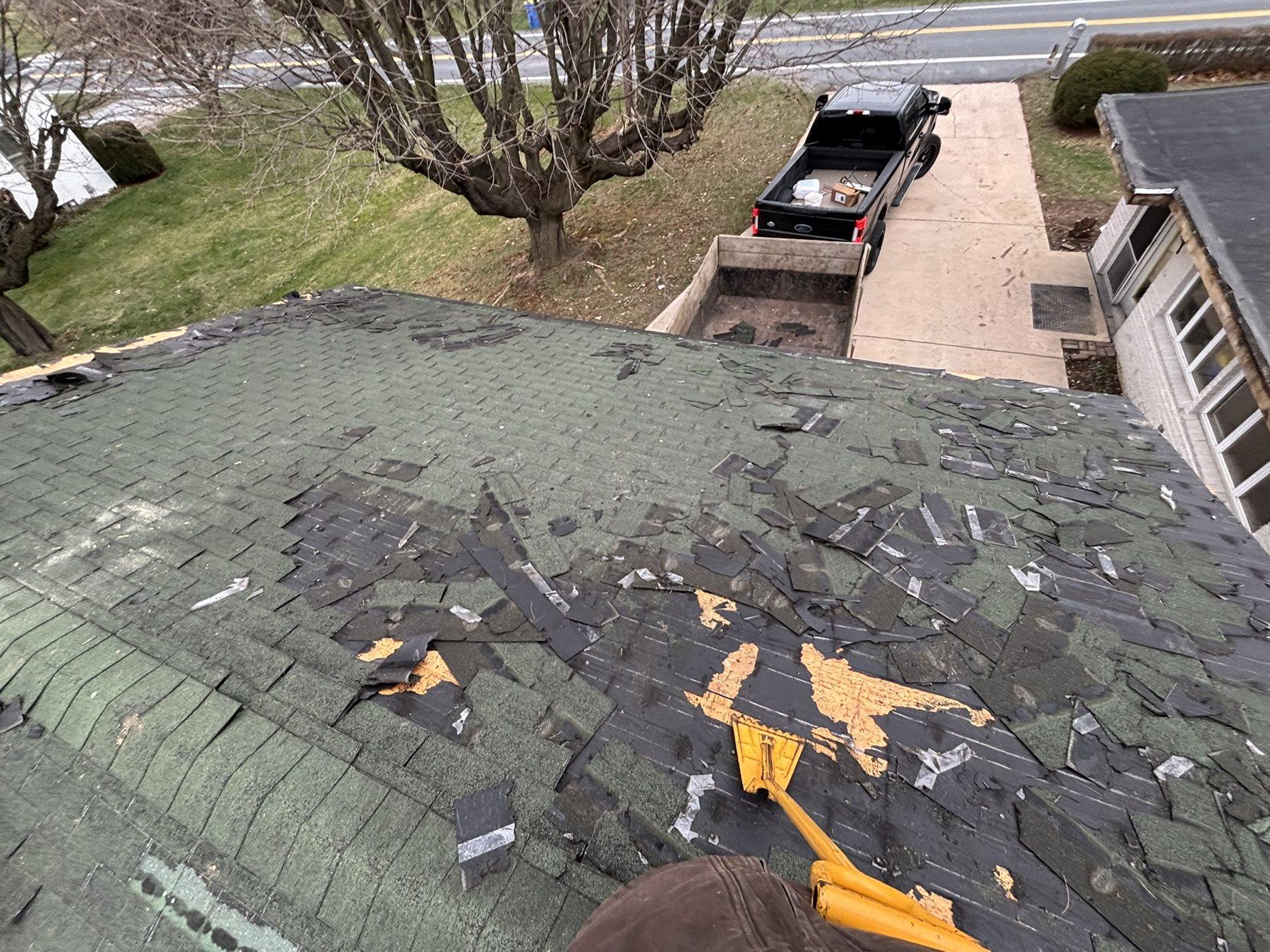
Where ice dams are a known problem, the building code calls for an ice barrier under the roofing at the eaves. It is a self-sealing membrane that runs from the edge of the roof to at least 24 inches inside the line of the exterior wall. It seals around nails, so water that backs up behind a dam stays out of the deck.
The membrane can only be installed when the old roofing is off. It is a backstop. The roof still needs a cold deck above a sealed, insulated attic.
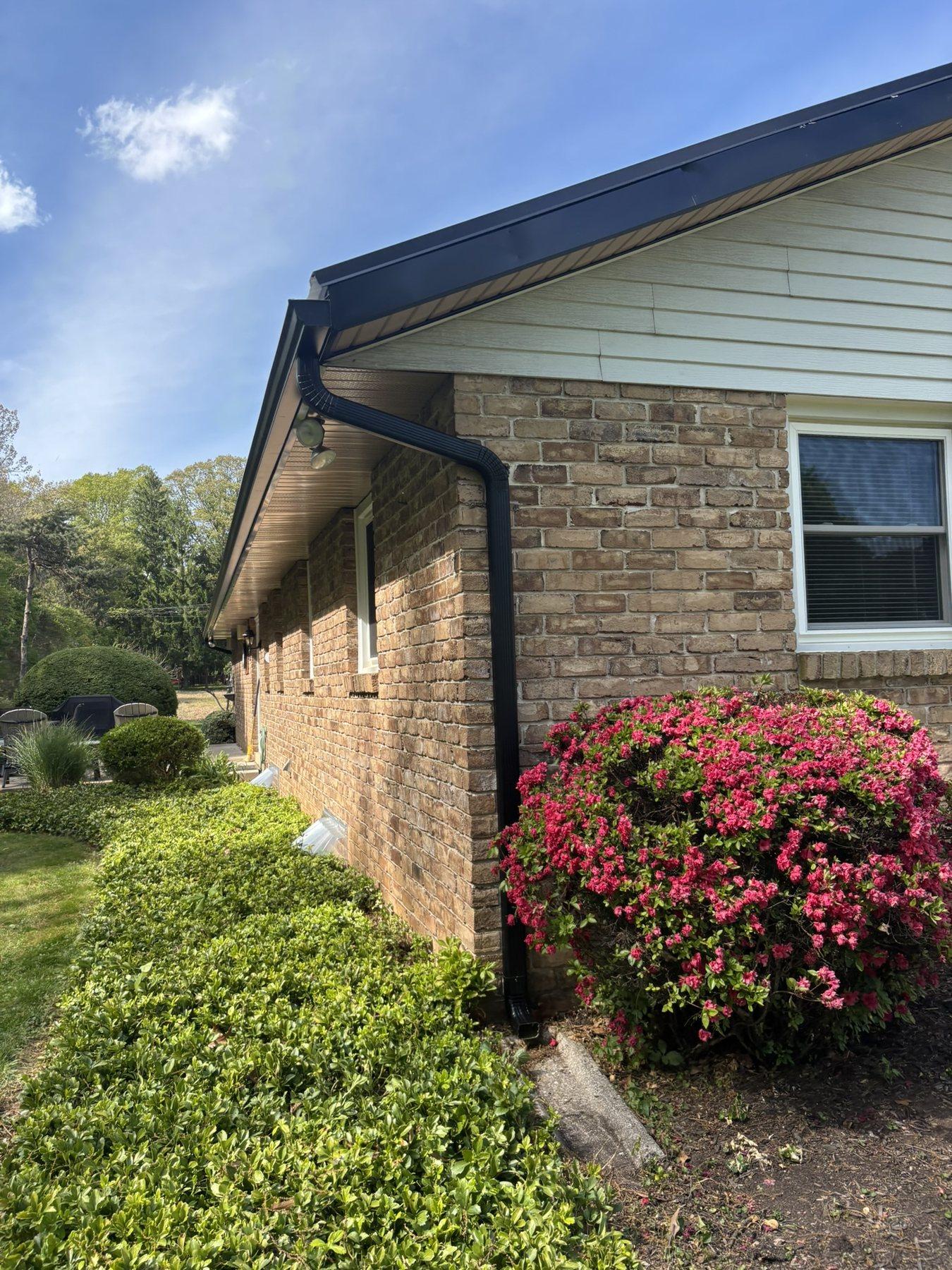 York Township · May 2026
How Pro Elite Builders helps
Pro Elite Builders repairs the roof, the ceiling and the wall that an ice dam damaged. See roofing and repair and water damage restoration. To trace a stain that has already appeared, read water stain on the ceiling.
Sources
We read these on November 19, 2026. Rules, codes and local ordinances change, so confirm with your municipality before you rely on any of this.