Floors, walls and woodBy Pro Elite Builders, PA HIC #PA215210Checked 3 min read
The short answer
Most cracks in drywall are cosmetic. Thin, straight lines along seams and short diagonal lines at the corners of doors and windows come from wood framing shrinking and swelling with the seasons.
Look harder at a crack that is wider than about an eighth of an inch, keeps growing, returns after repair, or comes with other signs: doors that stick, floors that slope, or cracks in the foundation.
Crack types and what they usually mean
| What you see | Usual cause | What to do |
|---|---|---|
| Thin straight line along a seam | Joint tape letting go, seasonal movement | Re-tape and finish |
| Short thin diagonal from a door or window corner | Framing shrinkage at the weakest point of the wall | Repair, then watch it |
| Line where wall meets ceiling that opens in winter and closes in summer | Roof trusses lifting slightly in cold weather | A flexible joint or crown molding, not more compound |
| Round bumps or small circles | Nail pops as lumber dries | Reset with screws and patch |
| Wide, jagged or stepped crack that returns | The structure is moving | Find the cause before repairing |
| Ceiling crack with a sag or a stain | Water, or drywall coming loose | Check above it first |
| Cracks plus sticking doors and a sloping floor | Foundation or framing settlement | Have an engineer look |
Why door and window corners crack
A wall is weakest where it has a hole in it. When the framing moves a little, the stress collects at the corners of the opening, and a crack runs out from there at an angle. Installers reduce it by keeping drywall seams away from those corners. In an existing wall, a proper taped repair usually holds.
How to watch a crack
- Mark each end of the crack with a pencil line and write the date beside it.
- Measure the widest point and note it.
- Take a photo with a ruler in the frame.
- Check again in three months and in the opposite season.
A crack that opens and closes with the seasons is normal movement. Have someone look at a crack that only grows.
Why the patch cracked again
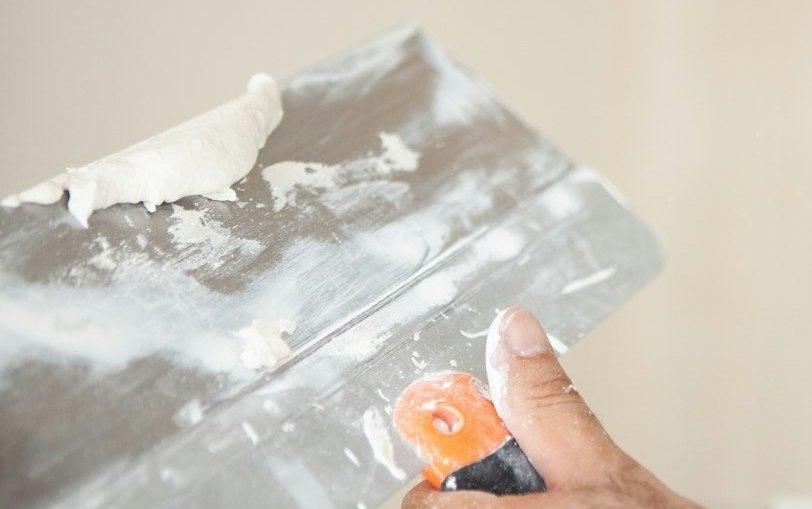
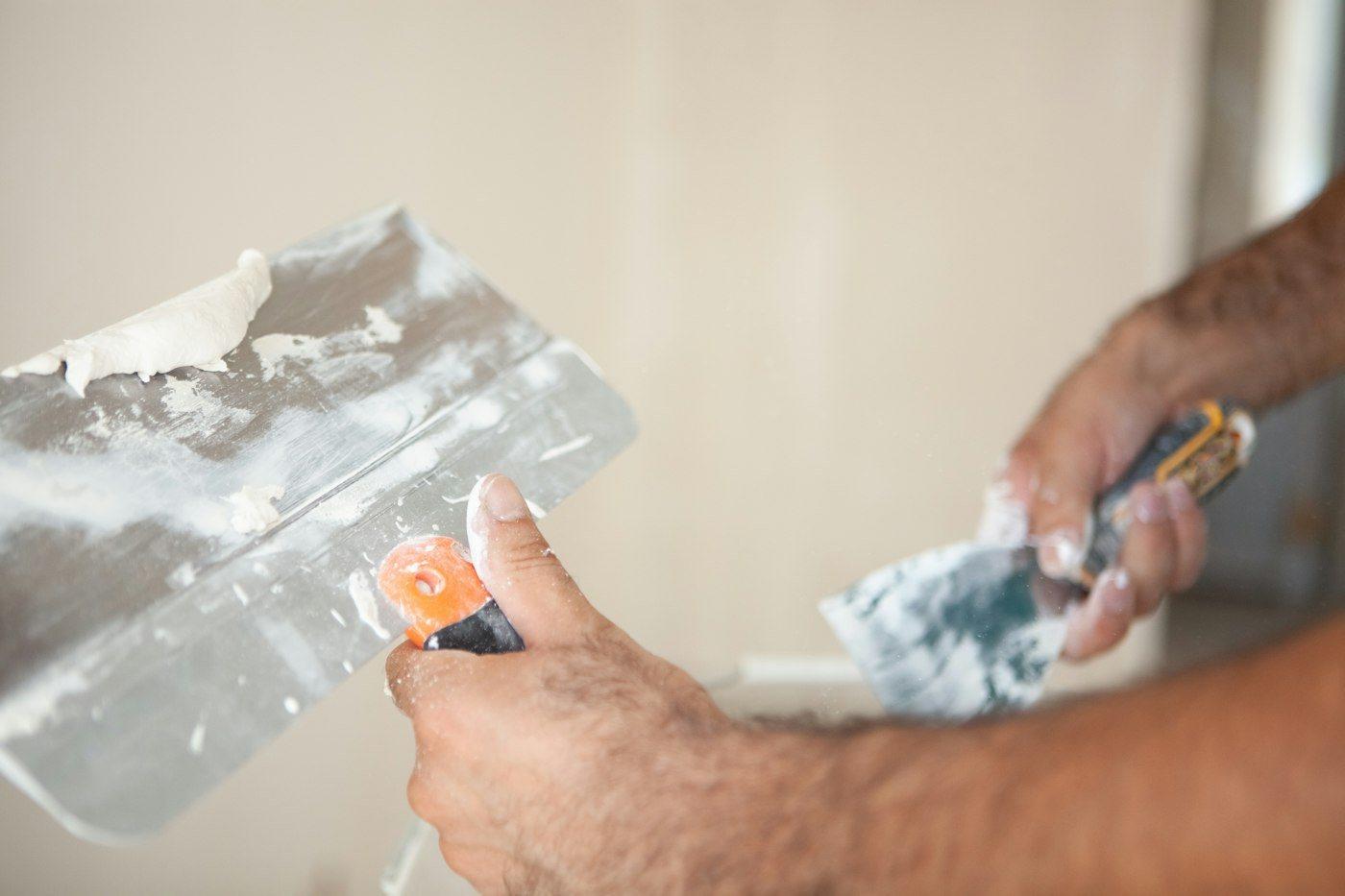
Spackle pressed into a crack is a filler with no strength. The crack reopens along the same line within a season. A lasting repair opens the crack slightly, beds paper tape in setting-type joint compound, and feathers two or three thin coats over it. The tape is what carries the stress.
Where a joint is certain to keep moving, such as a truss-uplift line at the ceiling, the answer is to let it move behind trim.
After a remodel or in a new house
New lumber dries out during its first heating season and shrinks as it does. Hairline cracks and nail pops in the first year are common and are usually fixed in a single visit once the house has settled.
If the wall is plaster
Older homes in Lancaster County have plaster on lath, and plaster cracks for different reasons. See plaster or drywall in an older home.
What we repair, and when we send you to an engineer
We repair cracks, holes and water-damaged drywall, and we say so when a crack looks like it needs an engineer before a taper. See drywall repair.
About this guide
General guidance from Pro Elite Builders, last reviewed on November 19, 2026. Every house is different, and product instructions and local codes take priority over anything written here.